This week’s post comes from Shayani Almeida, one of our consultants who has also helped to arrange this year’s remarkable line-up of collaborative projects enacted through the Thomas R. Watson conference. The title of this year’s conference is CREATE, CONNECT, REFLECT: Launching Collaborations and (Re)building Community in Our Fields.
For more information, please visit the conference’s website:
We understand the challenges that all writers encounter and the effort they put into creating meaningful content. Whenever a writer walks into the writing center, they are focused more on completing the assignment for the course or getting higher grades. Yet I think that there should be more avenues for consultants and writing center administrators to demonstrate their skills. This would not only celebrate their writing skills but also allow them to voice out their writing, which ultimately opens doors to immense opportunities. One of the best way to display your expertise and share your insights with a wider audience would be by participating in conferences.
The Watson Conference in Rhetoric and Composition is one such conference that allows individuals to demonstrate their skills and ideas. This will open doors for the initiation of collaborative projects and enhance access for participation. The conference consists of several projects mainly focusing on graduate students and the faculty. For example, ‘The Graduate Reading Exchange’ is one of the collaborative projects that graduate students could join, and ‘Grit Is Not It: Reckoning with Resilience in “Post” – Pandemic FYC’ is another project the faculty could join. This would be a great avenue for writing center folks to connect, collaborate, and enhance their skills. So, do not hesitate – explore these conference opportunities, share your thoughts, and embrace the transformative experience that awaits you.
If you’re a busy graduate student, you might be wondering, “Why should you take part in a conference?” Participating in a conference allows you to demonstrate your skills and knowledge in a perceptible way. A significant advantage of conference participation is the opportunity to network. Here, you will connect with professionals and fellow writers who share your passion. This is a platform that fosters collaboration and helps you improve your skills. Conferences are also about learning. You will get the opportunity to attend sessions, engage in discussions, discover new writing techniques, gain insights, and widen your knowledge as a writer. This will further help you boost your confidence.
Applying to conferences is a decision that could redefine your journey as a writer. It is an investment in yourself and your skills. If you’re interested in taking part in the Watson, there are collaborative teams dedicated to:
Fostering partnerships between Two Year/Four-Year college writing programs (Zoom)
Fostering connections between high school and college writing (Zoom)
Creating an App to support ungrading. (Zoom)
Organizing and humanizing the teaching track in rhetoric and composition (Zoom)
Thinking through how reading and writing can work as reflexive tools. (Zoom)
The use of zines to imagine a more humane, restorative, and just world of higher education (Hybrid)
Translating Chatino prayers and political speech (Hybrid)
Collecting and sharing counterstories from indigenous peoples for an edited collection (in person)
Producing a public syllabus focused on writing for movement-building, activism, and social justice. (in person)
Creating a statement of purpose and values for a tentative trans studies conference (in person)
Creating a team-authored website demystifying the specialized disciplinary reading and writing practices of graduate students (in person)
Examining what the term resilience has meant, how it is inequitably applied in First Year Composition, and how it might be more productively re-defined. Ultimately, this group will create an archive of prompts that work to activate resilience in FYC. (in person)
Beginning a large-scale, multi-institutional study of graduate student writing development with a particular focus on underrepresented domestic and international students’ experiences in graduate programs. (in person)
Prativa Poudel and Jolie Finley – Writing Consultants
When writing, we may encounter imposter syndrome in many ways. We may be ashamed of our writing, or fear that others will read our writing and believe we are not as smart as they thought we were. If you have ever felt like everyone is smarter than you or doubted your achievements despite having various evidence of success, you might have been experiencing imposter syndrome. Imposter syndrome can lead to heightened levels of stress, anxiety, and even depression, and it is a common feeling that we see in every day in the Writing Center.
One of ways we experience imposter syndrome in writing is by seeking perfectionism, which can lead to writer’s block. For instance, we may be setting unattainable standards for ourselves, such as expecting our writing to be flawless in the first attempt. This can make us feel that we are not good writers and lead us to experience writer’s block. Writer’s block is one of the biggest ways imposter syndrome can show up during the writing process. Oftentimes when we are in the beginning stages of writing, we think that because we don’t know where to go next, we are not good writers. But that’s a normal part of the writing process, and as soon as you start treating it as such, you will feel less pressure to always have the answers. In fact, wanting to figure out the best things to say or the best order to say them in is proof that you are a great thinker, and therefore a great writer.
This may seem counterintuitive, but one of the best ways to overcome writer’s block is to start writing! Though the perfectionist in you may cringe at this thought, you can try to write down any and every thought you have about your topic and revise from there. It doesn’t have to follow any logical organization or even sentence structure, but if you at least get words on the page, you can start parsing through what’s worth turning into something readable and what can be omitted. It’s much easier to revise something terrible than to write perfectly from scratch. We have to accept that what we write the first time will not be perfect: it may not even look like coherent thoughts.
We may also experience imposter syndrome when we encounter confusing or strict grading rubrics. Many courses are set up in a way where student measurement of success heavily relies on grading rubrics, so we not only compare our current achievement to our previous achievements but also with fellow classmates during peer review workshops. Many of us compare ourselves to others in our daily lives, but when that happens in an academic setting, and is made part of the grading process, it can take a toll on our self-confidence.
Sometimes all it takes to overcome imposter syndrome caused by grading practices is sitting down with somebody else (maybe a Writing Center consultant) who you can discuss confusing language with. Getting another person’s perspective may help you understand the guidelines more clearly. It may also be helpful to sit down with someone before starting an outline, so you can create it based on the assignment guidelines. That way, they can ensure you are not missing anything you may have overlooked. But if talking to other people about your writing is not really your jam, try leaving your paper and the guidelines alone for a couple of days. Once you return to it, you may notice details you missed in your anxiety-ridden frenzy. You can utilize the rubric to your advantage by delegating time and direction to writing based on it.
Additionally, we may hesitate to reach out for help in writing in worry that we will be discovered as unintelligent, and others may find out our perceived incapabilities, leaving us feeling exposed to everyone. Therefore, such kinds of impractical desires make us prone to feeling like imposters. We may use phrases like – ‘I will fail’, ‘I can’t write’, ‘I’m terrified to show anybody my writing’, ‘I don’t know if I’m ever going to bring the project to its completion’, and so on. Hence, feelings of anxiety and self-doubt can gradually affect the writing process, causing delays in finishing given assignments. Imposter syndrome can lower our rate of success, ultimately becoming a self-fulfilling prophecy.
Though it may sound corny, one of the ways to overcome these obstacles is to build up confidence in ourselves. There have certainly been times in your life when you succeeded at something, when you did better than you expected. Remembering those times, we should let the past stories of success be our power! Reminding ourselves of those times can give us the power to heal and the power for our future success. We should accept life is full of challenges and everyone encounters challenging situations. Let this difficult situation be another opportunity to learn. Bad experiences teach you lessons, and good experience gives you lasting memories. Most of all, treat yourself with sympathy. Tell all the good stories of your achievements to your mirror. Recall them time and again to recharge your minds! We should perceive grading rubrics as a direction to achieve academic goals rather than the tenant of excellence. Your self-worth is not measured by them. Avoid seeking perfection based on them, as they do not reflect your reality. Finally, we are always here at the Writing Center with open arms.
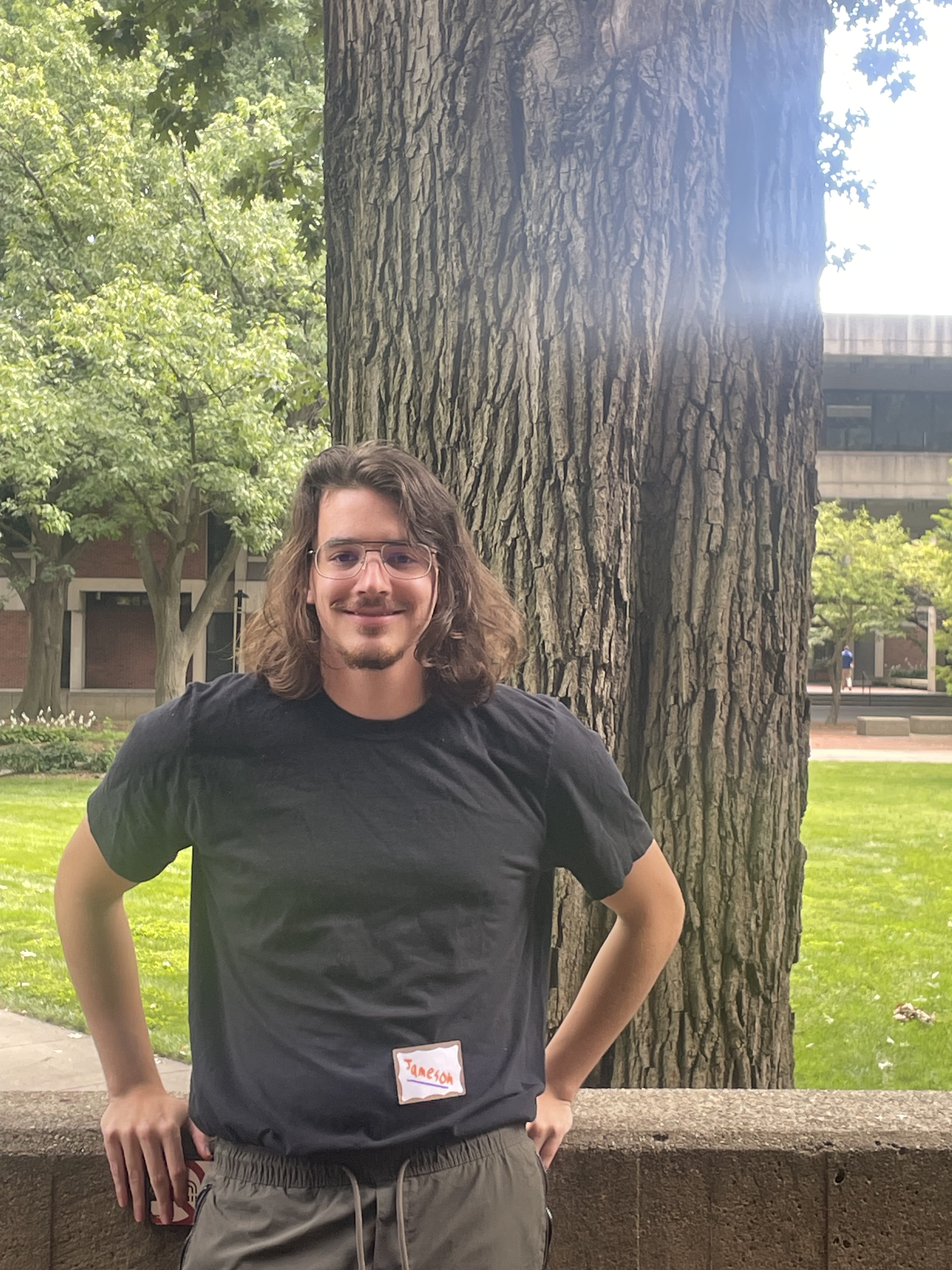
Jameson Reid and Shelby Cundiff – Writing Consultants
Introduction:
No matter what your peers say about your writing, or even your professors, your writing is ultimately yours. You have the best ideas of what you want your writing to consist of. No one knows better than you the argument that you are trying to make and the effects you want your writing to have. However, many professors are pushing their students to do peer feedback, and are even implementing class time to work in pairs or small groups to look over each other’s work. At times, this will take place in person where you all can have a conversation about the work, and other times, you might read through each other’s work alone and send a document of your thoughts. Or, maybe you are with your friends and you are all working on the same assignment, so you all offer to read through each other’s work. Regardless, these are all considered forms of peer review. Although the writing is yours, there is nothing wrong with a second set of eyes on your work; your peers, who are probably going through the same things as you, are good people to trust. Peers don’t have to be experts on your topic or in the craft of writing, but letting someone with an outside view of your paper experience your writing can be valuable to you.
Using Peer Feedback (Jameson):
When writing, it is very easy to get stuck in your own head. The sentences that you write may start to lose any meaning for you, and your argument may become unclear to anyone except yourself. Feedback can help you see what your argument is and see the structures and patterns that may have formed unintentionally. You can see if your peers are noticing what you are doing in your writing. What is being communicated effectively and what isn’t? Suggestions for improvements may be useful, or they may not be. Trust in your reader but also trust in yourself. If a peer’s comments feel completely off or their suggestions go against what you want to do, then ignore it, but understand why you are ignoring it. Have good reasons for making decisions, and be confident in knowing why you decide to follow a suggestion or disregard it.
It also depends on the amount of peer reviewers you have. Some classes may have you work with a single partner, a small group, or the whole class may be workshopping your paper. You can look for shared opinions across your reviewers and you should be aware that it is likely that some of your reviewers may not be reading very closely or may not be particularly adept at giving feedback. If you have the opportunity to speak with your reviewers, then you can ask them to provide the feedback that is most useful to you. Ask them to describe their experience with different sections of your paper. Push them to try to identify why they don’t understand something. What specifically is in your paper that is causing the various reactions?
Giving Peer Feedback (Jameson):
As a peer reviewer often the best feedback you can give is to describe your experience when reading their writing. For an essay this can mean a few things. You can describe your understanding of the paper’s argument, identify the parts of the argument that you notice, and places that confuse you. You are giving your peer an outside perspective on their paper as someone who has not spent time researching and writing on the topic. Something that may be obvious to the writer, who is deeply entrenched in their subject, won’t be obvious to you and might need to be explained more. If you can find these moments then your feedback will be very useful to your peers. You can also question if your peer’s argument isn’t fully developed. Maybe there is a counterargument that they need to acknowledge. These comments however should always come with your understanding of what the argument is. Nothing is worse for a writer than them seeing criticisms of their argument that don’t make any sense to them.
In creative writing workshops, the feedback to give is fairly similar. Give your reaction to the text. This can include your emotional reaction, your takeaways, or what you think the meaning is. Then, if you can, try to describe what elements of the writing created this meaning. How effective are these elements? Is there something the writer can do to improve these elements? If you have suggestions or ideas, feel free to give them, but don’t feel like you have to if you aren’t sure. Describing your experience is something that anyone can do and will still be very useful to the writer. Also, remember that writing can be very personal, even in scholarly work. Peer feedback is not just criticism and suggestions for improvement. It should also be positive. Describe what you really enjoyed, what was really effective. If you find their argument or topic interesting, let them know. Then when you have to be critical, be only critical and not insulting. Don’t be afraid to use peer feedback to your advantage; it could be helpful to you.
What Peer Feedback Has Done For Me (Shelby):
As someone who has always been a good writer and confident in her abilities to write papers, I never really understood the point of peer review… That was until the first year of undergrad, which hit me like a train. Partially, I thought peer review made me weak, as if I couldn’t write without needing validation from my classmates or friends. The other part of me was just stubborn, and continuously told myself I didn’t need it. However, I began to realize that there is nothing wrong with help, and a second set of eyes is now a must-have for me. During my first year at Centre College, the classes and writing assignments were harder, and combining this with a newfound independence, I learned quickly that I needed to use the resources around me to better myself. Thankfully, I was surrounded by friends who also loved writing, and enjoyed reading through my work, telling me what they liked, didn’t like, or what needed to be worked on. This process continued throughout my undergraduate experience, and has continued to be important to me as I have started graduate school.
My senior spring, I decided to take a risk and take a creative writing class, where a big part of our grade was based on peer review. This class was arguably the most diverse class I had ever been in, and for that reason, I learned more than I ever had from reading my classmate’s works about their experiences and their readings of my work. For example, the first short story I wrote was about a girl who was struggling with her identity as a lesbian, and was therefore struggling to come out to her family and friends. While I am not a member of the LGBTQIA+ community myself, I had a peer reader who was, and assured me that I was doing a good job of conveying the experience of many queer individuals. Thinking back throughout my entire undergraduate experience, the difference in opinions, thoughts, and experiences of both my classmates and friends made me a better writer, thinker, reader, and overall person. With all of this being said, I want to encourage you to be okay with peer feedback, whether it be in your classes or just within your friend group. Just because someone tells you their opinion doesn’t mean you have to listen, but, you might find after reflecting on it, that it will help you in the long run. Other people may be more experienced than you in some areas, and there is nothing wrong with that. Writing is hard. You will never know everything. So, take advice from your peers, and do it sooner than I did. I promise, it helps.
Jennings Collins and Abigail Anderson – Writing Consultants
Introduction
For those that aren’t aware, all Graduate Teaching Assistants undergo a multi-day training before each semester begins to prepare us for the new responsibility of teaching at the college level. Writing Center consultants go through a more specific orientation where we discuss our process, and the specifics of Writing Center pedagogy. We have a whole class about it, Writing Center Studies (ENGL 604), where we spend the whole semester asking important questions about pedagogy and the development of the Writing Center as a practice.
The unique perspective we both bring to this course, and to our work in the Writing Center overall, is our experiences working in the field of education, specifically early childhood education and secondary education. To borrow a common teacherly phrase, we have different tools in our toolbox than many of our peers, simply as a result of our work experiences and educational backgrounds. Learning how to be Writing Center consultants does not entail gaining the tools needed for the job, but rather learning how to use the tools we already have in a different setting. Alongside this period of adjustment, we also have to learn to balance our schoolwork as graduate students and the mental and emotional labor of our everyday jobs. Though our different backgrounds give us slightly different perspectives, we both try to be conscious, reflective, and constantly improving teachers, regardless of if our students are toddlers or undergraduates.
Reflections from a Middle & Upper Grade Educator (Jennings)
As consultants, we deal with a different workload and are in a different position in the web of university’s instructional design. We arrive somewhere in the middle as tutors. We do not get the opportunity to design the assignment any particular student is working on, or have the knowledge to bring the student towards the destination that someone in a teacher’s position would have designed. So in some scenarios, the consultant is in the awkward position of trying to deduce exactly what the writer’s instructor is asking for by parsing course directions and other course documents. We are still able to discuss writing skills and strategies in a manner that is beneficial to students across curriculum, which is a new angle for someone with an educational background.
The indirect university web also means we see students from a bevy of backgrounds, all with their own educational experiences which informs their own writing. Students have different levels of experience with things like MLA Style and academic research practices, things that we can interrogate during a session as part of getting to know a writer and what they need from a writing center session. One hour we are working with students who have just moved from high school to college working on a 500 word essay about their history with literacy, and the next hour we could be reading a 20 page study of the history of scientific literature around postpartum depression from a doctoral candidate.
I am much more comfortable with the former. In secondary education you are often the one shaping a person’s understanding of the English language as they enter adulthood. If a student is struggling, you have a whole year of lessons, lectures and assignments to reshape them to the best of your ability as an instructor. Often as a writing center consultant, we are asked to meet the writer where they are, and that comes with a new short-term approach to guidance. A student wanting to learn more about writing practices may do so at the Writing Center, but often our focus is directed towards the improvement of a piece, and not the student who wrote it.
Reflections from An Early Childhood Educator (Abigail)
Although my certification is in secondary education, and I student taught eighth graders for a semester during the pandemic, my work experience is mostly in the field of early childhood education. The majority of my childcare work was with two and three-year-olds, so the gap between my old students and my current clients might seem enormous. Certainly, working with young children requires a different form of emotional labor than working with other adults, but helping people is never an emotional-labor-free job. With my transition from teaching preschool to working with undergraduate and graduate students, I’m getting used to the shift in how much I have to do for someone else. My preschoolers required a lot of effort from me to help them manage their emotions, perform simple daily tasks, and grow into little, independent humans. My writers now need help gaining or refining an entirely different set of skills, though they might need just as much emotional support from me as a teacher or mentor in their writing process.
Indeed, my biggest takeaways from working with young children are that no two students learn exactly the same way and that progress is often non-linear. This term, I have seen many writers who come to the Writing Center for help, and sometimes feel discouraged or like they are “a bad writer” because of their past experiences with writing. In these sessions, I try to remind these writers that they are capable of developing their ideas and their skills, and that they have already begun that process by asking for help. It might take a variety of different strategies to learn what works for them, and that can be messy and difficult. However, I also try to emphasize that just because they have not achieved a goal yet, in their writing or in their personal lives, that does not mean they never will. This is a valuable lesson for learners of any age to remember, internalize, and carry with them throughout their education.
The main challenge of this work, for me, has been balancing when to “give people the answer” and when to step back and allow them to learn for themselves. And sometimes that means letting people make mistakes! Part of being an educator, regardless of the age of your students, means recognizing that you do not always have the answers and will not always do everything right. Again, in that way, working with adults is not so different from working with children; sometimes both need you to take a step back so they can learn to fly.
Conclusion
Teaching gave us a unique perspective on the way that the writing center operates, and the myriad of ways that students like us use campus resources. Our time as writing center consultants is a part of our educational journey, just as coming to the Writing Center is for any student. By next year we will be teaching courses as part of our graduate teaching assistantships, putting us at a different part of the institutional web than we are now. The biggest thing we hope to take from this experience is a nuanced perspective on the diversity that this university has in its student body, and how best to meet the needs of each student that comes to us as a part of their own journey.
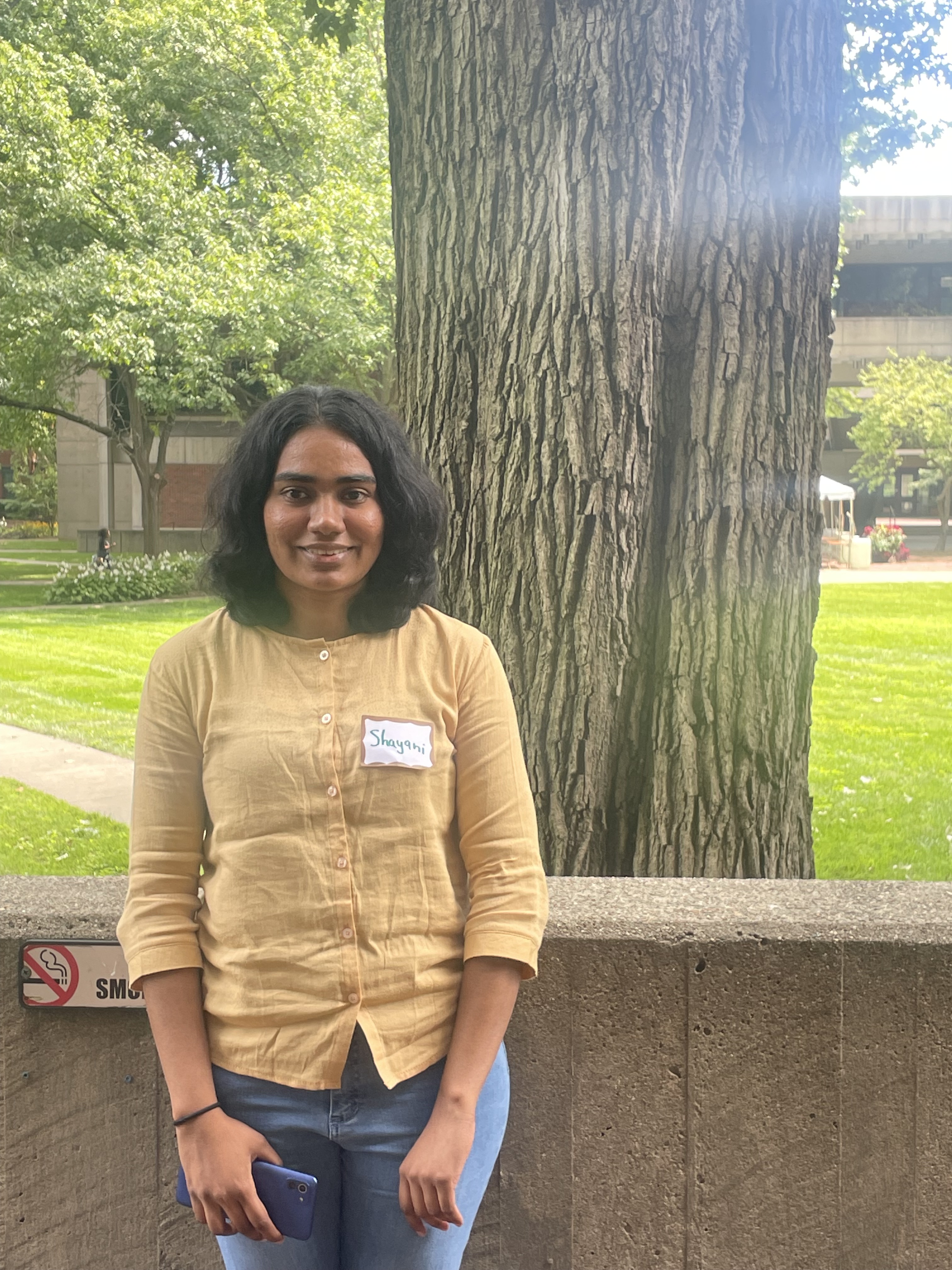
Mary Sherafati, Allie Degner, Shayani Almeida – Writing Consultants
How to write (Mary):
If you want to learn how to become a good writer, you should write every day. It will help you exercise the part of your brain responsible for your writing skills. For example, you can write in a diary. It can help you focus on your writing without worrying about your audience or anyone else’s thoughts. Moreover, it will provide you with a space to practice vocabulary. You should, in addition, read a lot. Reading is an excellent way to improve your writing skills. You can begin reading short novels and stories that interest you. Please think positively about writing and do not be afraid of it. You can also take some courses. I highly recommend you take part in our writing sessions. We have open writing time, faculty and graduate student writing groups, and creative writing groups. Through participating in our writing sessions, you can receive constructive feedback that can help you improve your writing. Please do not be afraid to ask for feedback from peers or editors, as it is one of the best strategies to improve your writing.
Remember that becoming a good writer takes practice and dedication, so do not be too hard on yourself as you start. It would be best if you also learned to overcome resistance since writing can be difficult at first, but it is essential to push through the resistance and keep going. You can develop your skills to produce excellent content with time and effort. Remember that building a confident mindset is essential to becoming a more confident writer. You can do this by setting realistic goals and controlling your internal dialogue. Focus on your strengths and celebrate your successes, no matter how small they may be.
Creating a topic (Allie):
Sometimes, developing a topic can be the trickiest part of your paper or assignment, as the rest of your project is determined by what it is your topic will be. There can be a lot of pressure on figuring out a topic, but do not stress! It is not as hard as you think.
First, if you have a list of possible topics but need help narrowing it down, focus on the topic that seems like most applicable to what the assignment is. Looking at assignment guidelines, what topic seems to fit the project the best? What would be the most interesting topic you could research or discuss for the assignment? Exploring these questions might be helpful for thinking about the topic in terms of what the assignment is asking for. However, you also want it to be a topic that you are also interested in, because that can help to fuel your motivation for completing the assignment. There is nothing worse than having to pour time into exploring a topic that you are not the slightest bit interested in. So, choose something you like!
Of course, your topic will vary depending on what the assignment is for your class. A lot of assignments require outside sources, and if this is the case for yours, it is always helpful to first check out what kinds of sources there are for your topic before you decide. If you can narrow down potential topics to three that stand out to you, it is helpful to therefore explore library databases or Google scholar to find what kinds of sources there are online that will help further develop your topic. Depending on the assignment you are doing, it is either a good or unhelpful thing if there are not many sources. It is helpful to not have many sources available for a topic because that will leave you space to do your own research for that topic, but also can be unhelpful if that is not what the assignment calls for.
Once you have browsed around for sources and depending on the assignment that your professor has given, you can ask yourself a couple of questions based on your findings: are any of the sources you have found particularly interesting and would be a good addition to a potential topic you have looked into? Has one of the topics you researched had little helpful sources? Has one of the topics had an abundant amount of sources? Or are they all about the same?
By looking into what kind of research is already out there, it will hopefully help you narrow down a topic for what you can discuss in your writing assignment. If you are still having trouble narrowing it down, remember that there are different resources that can help you! Professors are always available for spring boarding ideas, and us writing consultants in the Writing Center are also always available for helping you choose a topic. If you need help figuring out what sources are available for your topic, the research librarians will spend time with you and help you search for some, too. Do not be afraid to use the resources that are available to you!
Revising and Editing (Shayani):
I notice that most writers find it difficult to revise and edit their drafts to make an excellent final paper because they do not know the techniques for revising and editing. Revision is not like proofreading, although in the final stage, editing includes checking specific details. When reviewing your text, you take a second look at your ideas and you might want to add, remove, change, or make something more convincing. When you start editing, you should take a second look at how you have expressed your ideas. Here, you might add or change words, check, and fix any problems in punctuation and sentence structure. In this stage, you will improve your writing style and make it to be the product of your best efforts.
Once you complete your first draft, set aside your essay since you need to look at it from a fresh perspective. It might be too soon to make changes, so take a break. Reading aloud will also help you identify the key points that you have not addressed in your essay. The next step would be asking someone to provide you with feedback and constructive criticism. Then, look at your essay objectively and take the role of a reader in this phase. When reading it for the second time, we should think, are we satisfied or dissatisfied as readers? And why? This can help us get the best out of our revisions and editing. At the writing center, we help you figure out these techniques and help you create an excellent end product.
For months, I’ve been thinking about this week. The week after Labor Day. The laptops are charged, the handouts are printed, the coffee is brewed, the toner in the copy machine is…toning? We’re ready to go. All we need now…is you.
Yesterday, our full staff of consultants—all graduate students from the English Department—went live on the schedule. This blog post is an introduction and an invitation.
tl:dr version: We’re great, we’re free, we help anyone in the Card Community with just about anything related to writing. You should come to the Writing Center. Sign up for an appointment here.
Now, for the longer introduction.
Who are we?
We’re a free service for anyone with a U of L account and serve as a one-stop-shop for basically any of your writing needs. We’re staffed by graduate students from the English Department who are writers, teachers, and wonderful human beings.
The heart of what we do is one-on-one writing consultations at our location on the first floor of Ekstrom Library and online (in both live, face-to-face sessions or asynchronously).
For those of you on the Health Sciences Campus, Jess Gottbrath—the Assistant Director of Graduate Writing—is also holding hours in Kornhauser library from 9:00 AM to 1:00 PM.
Some tips:
•	Appointments are 50-minutes long, but you don’t need to take all of that time.
•	Help us help you. For best results, please leave detailed notes about what you would like  to work on when making the appointment (and for written-only online appointments, the more specific the request, the better).
•	No appointment? No problem, we take walk ins.
•	You can make multiple/regular appointments a full semester in advance. This is ideal for bigger projects.
•	There’s a waiting list if we fill up (and we do fill up particularly quickly during midterms/finals season, so consider working ahead or signing up early).

Check us out on our website and on social media for information about events and workshops all year long: uoflwritingctr | Twitter, Instagram, Facebook, TikTok | Linktree
What happens during a session?
We support writers in a lot of ways. During a Writing Center session, you and your consultant will spend some time chatting about how we can best help you. We don’t judge, we don’t assess or diagnose, we just try to help you to make progress toward your goals and support you during a busy semester. While we set to work on the immediate writing challenges you’re facing, we also hope to help you develop strategies and practices that will help you grow as a writer throughout your time at UofL. Here’s a few examples of what that might look like:
Need a little help thinking through expectations for academic writing? We’re happy to have those bigger picture conversations and talk through strategies for meeting these expectations.
Struggle with procrastination? Let us work as a coach and accountability site to help you avoid writing at the last minute. Make an appointment a week before the due date, it can make a world of difference.
Know what you want to say, but just can’t quite get the words to match? Having a conversation about the project with a consultant can be a great way to work through things like writer’s block, fear of the blank page, and the catch-all problem of wanting a paper to “flow.”
Struggle to get started with a project? Come in both to give you momentum, but also to talk through approaches to beginning writing processes and thinking through writing challenges.
Looking to improve your editing, citation, and proofreading skills? We’re happy to talk through and model strategies for that as well.
Have a big project (a paper for publication, a culminating paper, a dissertation) and need a sounding board or support structure? Set up an ongoing set of appointments with one (or a few) of our consultants to keep that momentum going.
Have a passion project? We love working on these! Scripts, personal narratives, outreach materials for a club, a piece of creative writing, a social media/blog post, you name it.
That’s just a small sample of what we can help with. If you’re wondering if we can help you, just make the appointment, come on in, and we’ll see what we can do.
We do a lot more than individual sessions, however. We also have:
Open Writing Times
Sometimes it’s just nice to be in the company of other writers. On Mondays and Fridays from 9-11 we have open writing times at the Ekstrom Library location so you all can start your week off hitting those writing goals or get that assignment well under way before heading off for the weekend. We’ll provide the coffee, tea, and ambience.
Writing Groups
Writing for publication, grants, public talks? Working on a dissertation or book review? Come join our community of academic writers! On Wednesdays from 9:00-11:00 we have our faculty and graduate student writing group which meets at the Ekstrom library location. You can also join online for the Youtube live session:
Working on a short story, a novel, a poem, a rock opera? The creative writing group also meets at the Ekstrom Library location from 10:00-11:00 AM every other Friday.
Movie Nights
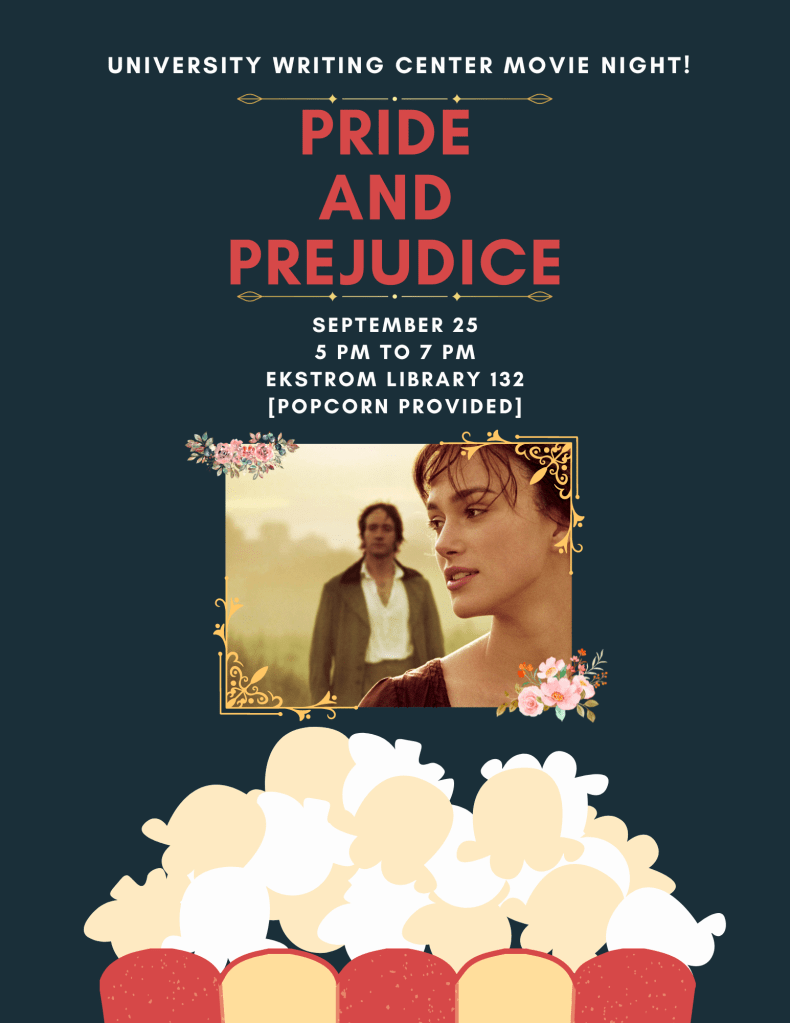
Finally, we’re hosting some literary-themed movie nights! We’ll provide the popcorn, bring your friends! The next showing will be Pride and Prejudice on September 25th from 5-7 PM.
Writing can hard, but rewarding, work. You don’t have to face it alone. It can also be a lot of fun to create new ideas and then to get those ideas out, and we’re even happier to help make that happen. Whatever brings you our way, though, we’re here for you.
Author and educator Joseph S. Cotter (1861-1949) made an untold number of contributions to Louisville during his lifetime. He fought explicitly for equity in education in a time where the educational resources available to students of color were both separate and unequal. In 1913, Cotter partnered with Louisville Free Public Library’s Western Branch—a Carnegie library that was both run by and served black residents—in order to establish the Cotter Cup, a storytelling contest that encouraged Library patrons to explore literacy and express themselves.
In 2023, the Western Branch held its 3rd annual Cotter Cup. We were there again, this time present in-person to work with Louisville’s young writers. 20 participants, all K-12 students local to Louisville, took part in the contest. This year’s winners are:
Elementary School
1st – Luka Sulkowski
2nd – Gibson Gurley
3rd – Lilly Shetler
Middle School
1st – Elina Sulkowski
2nd – Sufyan White
3rd – Glory Miller
High School
1st – Aiden Vilo
2nd – Jayla Carver
3rd – Audrey Scott
In addition to celebrating all of our amazing participants, I also want to offer a special thanks to the University Writing Center volunteers that worked with these young writers: Clay Arvin, Jessica Gottbrath, Dylan Williams, and Cassidy Witt. Thank you so much for all of the creativity and enthusiasm you shared. This was the first year that we were able to recruit both graduate and undergraduate volunteers, and we’re so grateful that we did. The range of experiences and knowledge that you all brought to the tables of the Western Branch truly helped shape the experience of these writers.
Having had the pleasure of working with several of these winning participants, I can attest to how phenomenal their works were. But truthfully, I think the benefit of the Cotter Cup extends far beyond titles and prizes. This year, more than ever, we were able to engage Louisville’s youngest poets in authentic conversations around literacy and self-expression. We were able to look one another in the eye and share affirming smiles and nods. We were able to pass papers back and forth, and remark upon annotations and scribbles. We were able to create real connections, and this means something! We also were able to achieve a long-standing goal of the Cotter Cup: bringing more individuals to the Western Branch. We hope this introduction to this beautiful, historic space, this beacon of equity and racial advancement, results in them coming back again and again.
This is my last year as an assistant director in the University Writing Center. I’ve had the pleasure of helping run the Cotter Cup for two consecutive years; this experience has helped shape me as a writing center professional. Each and every interaction I’ve had within the walls of the Western Branch has left me feeling increasingly more in awe of the coming generation’s knowledge and talents. I also can’t speak highly enough of the staff at Western Branch, in particular Natalie Woods, who has taught me so much about not just the value of community literacy, but the beautifully messy practice of it.
Although I won’t be a part of leading the Cotter Cup in 2023, I have no doubt that the contest will be in good hands with both the fabulous Western Branch staff, along with my co-worker, Kendyl Harmeling. Kendyl will be stepping into my role next year, and is excited to be involved with the Cotter Cup. She has a long-standing interest in community writing, and a personal love of poetry which she hopes to share with participants and volunteers alike. One impact she hopes the Cotter Cup will have upon participants is that they will come to realize that “what [they] feel and how [they] see the world, and the sharing of [their] thoughts and experiences, are valued and supported and praised.” Suffice it to say, I look forward to helping her spread this message as one of the Cotter Cup volunteers in 2024.
Twelve years ago, in my first year as director, we held our first Dissertation Writing Retreat. Every May since then we have brought together a group of 14 doctoral students from across the University for a week of writing time, individual consultations, conversations about writing – and food. We even did it online during the worst of the pandemic. We just finished our most recent Retreat, my last as director of the University Writing Center, and had writers from nine different disciplines participating. As you’ll see from their words below, it was a reminder, yet again, of why this is such a rewarding and productive experience for everyone involved and why it is the distinctive kind of work that University Writing Center provides to the University.
Dissertation Writing Retreat Participants – 2023
When the writers arrive at the first day of the Retreat they are often not entirely sure what to expect. Yes, they know they will write – a lot – and have individual writing consultations with a University Writing Center consultant, and take part in conversations led by our staff about dissertation writing issues. They are often hoping to get a lot written during the week, and that does happen. But what they are not always prepared for is how much they will learn about themselves as writers and scholars. Most of the people coming to the Retreat have not, during their time in graduate school, had a chance to have sustained conversations about the nature of writing as a researcher and scholar. Yet such conversations, about how they are positioning themselves in their fields, how they are understanding genres of research writing and making them their own, and how they are understanding and refining their writing processes, can provide them with both knowledge and confidence that allows them to find new momentum going forward with their projects. What we know is that, while getting words written during the week matters, the most important things we can offer are advice and insights that they can take with them as writers.
The idea that we are working on more than just on the draft a writer has with them at the moment, but trying to help them become stronger, and more confident, writers in the future is central to the work of most writing centers. What is different about the Dissertation Writing Retreat from our regular consultations is that the nature of the Retreat, of spending each days writing and talking with others, is also an opportunity for ongoing reflection and community building that is rewarding in every way. What I wrote in 2011 about the first Retreat was equally applicable to this year:
“There was the benefit of being part of a community of writers. Writing a dissertation – writing anything, really – can feel like such an isolated and lonely endeavor. This week all the participants in the retreat found themselves in a community of writers. They’ve talked about the benefit of the support that comes from talking with peers about writing issues and getting both suggestions as well as empathy. They found that talking, and often laughing, about writing, even when your field is far removed from writing studies, can be enriching. And they also found that simply being in a room with other people writing can inspire them to continue to create words.”
One of our ongoing goals at the University Writing Center is to nurture and support a culture of writing on campus, and the Dissertation Writing Retreat is a vital part of that effort. I want to thank all the writers who trusted us with their writing, all the consultants who brought their insights and enthusiasm to their work with the writers, and our amazing University Writing Center staff — Annmarie Steffes, Maddy Decker, and Kendyl Harmeling — who did the heavy planning and daily logistical work to make the event happen.
But, the best insights into the Dissertation Writing Retreat come from the writers and the consultants, and here is what they have to say. You can see why it’s one of our favorite weeks of the year.
Writers
Fatima Aldarweesh, Public Health
Participating in the “Dissertation Writing Treat” event was a truly enjoyable and productive experience. It is extremely beneficial to me; I received more than I expected. I appreciated how Dr. Bronwyn and his incredible team collaborated with us to form a supportive intellectual group; I enjoyed the small group discussions. They have influenced my productivity and helped me overcome feelings of isolation. I also appreciate Ms. Aubrie, my writing consultant, for taking the time to familiarize herself with my topic and assisting me with editing, revising, and proofreading even kept me accountable for my writing each day and inspired me to try new writing techniques.
Caitlin Allen – Rhetoric and Composition
The Dissertation Writing Retreat was an incredibly valuable experience. The Writing Center team and the rest of my retreat cohort created such an energizing and supportive environment. Working with a writing consultant every afternoon was especially useful; Christina provided wonderful and thoughtful feedback on my drafts, helped me talk through ideas, and celebrated my wins. At the end of the week, I felt much more confident in my dissertation project and my writing process. I strongly recommend the writing retreat to dissertation writers from any discipline across campus.
Meaghan Flynn – Psychology
I learned so much about myself as a writer and the writing experience during the dissertation writing retreat. I had never given much thought to the different aspects of writing and the retreat was a wonderful opportunity to explore my writing habits and how I can practice engaging in both deep thinking and communicating about my deep thinking. I greatly appreciated the individual writing consultations throughout the week. This was an excellent challenge to think deeply about what aspects of writing I was struggling with and how to communicate those needs. I am very grateful to have had this opportunity and would absolutely recommend the retreat to any graduate student for their dissertation.
Hannah Heitz – Education and Human Development
The retreat was immensely helpful! First, it provided me with a lot of motivation and helped me feel energized about the writing process. Second, it reminded me to use small goals to make progress when I’m feeling overwhelmed. Third, I was reminded that it’s ok to write badly—this opened the door for me to make great strides and avoid perfectionistic traps. I learned some other specific tools for revising and time management (I took many notes that I’ll be coming back to in the months and years to come).
Amanda Lacey – Education and Human Development
The Dissertation Writing Retreat has by far been one of the most helpful and empowering experiences of my doctoral journey. While I was extremely nervous (almost panicked!) coming in, convinced I’d spend the majority of the time helplessly staring at a blinking cursor at my screen, I instead wound up making significant progress on both my writing and my outline for future chapters. I credit this success to the structure of the retreat: each day has a pre-set schedule that includes not only individual writing time, but also group discussions on various writing strategies, an hour-long appointment with a writing consultant, and plenty of opportunities to reflect. Even the break for lunch proved to be productive, as all of us attendees spent the time getting to know each other and share ideas and strategies across content areas. We even created a special Teams channel after the retreat so we can all keep in touch and keep each other accountable. In short, this writing retreat is not merely writing non-stop for 8 hours a day; instead, it’s writing sprints mixed in with opportunities to acquire new strategies, build productive writing habits, and form a strong community of colleagues that will help you get to the end of your doctoral journey — and beyond. Indeed, through this process, I was able to complete more writing in the course of a single week than I did in the previous six months. Now that the week is over, I feel re-energized and ready to tackle the rest of my dissertation. I am so grateful to have had this opportunity and would recommend it to any doctoral student from any discipline that needs that little extra push to get across the finish line.
Renee Richardson – Pan-African Studies
I gained helpful strategies from my consultant, Olalekan. His advice about the writing process allowed me to craft research questions, themes, and topics for each chapter of my dissertation. Focused research question and themes helped me to develop key terms for finding better articles and books tailored to my literature review. Also, the discussions were valuable. I was able to gain insight from other students and professionals about responding to committee feedback, maintaining discipline and momentum after the retreat, and literature review tips. Discussion leaders like Kendyl shared resources with us that I can refer back to as I complete my project. Kendyl also suggested using a Double Entry Journal which I set up during the retreat.
Consultants
Kendyl Harmeling,Assistant Director for Graduate Student Writing
This year’s Dissertation Writing Retreat was exactly that – a retreat. It’s a writing professional’s dream to work at such an event, where the sustained writing, writing discussion, and community building is fueled by (and fuels) passionate and hard-working writers across disciplines. To be in a room of writers writing is undeniably a privilege. As an assistant director of the University Writing Center, this was my first year helping to run discussions and days of the DWR and my second year as a consultant for our participating writers. The conversations we had all week about individual projects, the genre of the dissertation, and the writing process in general were maintained and tended to constantly in writing consultations, whole group discussions, and even on the walks back to the parking lots after a day’s end. Our participating writers and the energy they brought to the retreat this year are a reminder why these programs are so valuable – not just to each writer but to the University and the PhD process. They help us help each other.
Olalekan Adepoju
Having worked with writers at the dissertation writing retreat for three consecutive years, this year’s retreat was not short of the intrigues, excitement and motivation writers often exhibited throughout the five-day event. The most rewarding aspect of the retreat for me is learning about the incredible projects people are working on, and just generally experiencing the sheer joy with which these writers talk about their projects. This year, I had the opportunity to work with writers who are at different stages of their dissertation. While one was in the early stages, working on conceptualizing and framing the research questions and ideas for literature review, the other was working through their drafts to make connections across multiple drafts. For the writers, the efforts they put into their work are remarkable as those efforts helped to drive our conversations in a way that suits their needs throughout the retreat. At the end of the dissertation writing retreat, both writers affirmed to me that they now have an awareness of what their writing processes look like and a better understanding of how to apply writing concepts in their work.
Christina Davidson
While I spent the last year working in the University Writing Center, this was my first opportunity to work with writers during the Dissertation Writing Retreat. It was a delight. As expected, I was deeply encouraged by the determination and community-building among the writers throughout the week. The two writers I worked with specifically expressed similar thoughts. In fact, one of the writers I assisted called this retreat a “reset button” and said it restored her focus on her dissertation project. Many writers expressed feeling as though the retreat helped them to finally assume their scholarly authority through writing. They claimed the workshops and consulting sessions were the difference-maker in shaping how they viewed their writing project. What I noticed was the incredible attention to care the staff at the UWC gave toward helping these writers succeed. It’s an incredible service offered to the UofL graduate student community. I highly recommend this retreat to any PhD student at UofL looking for guidance, planning, and support in the dissertation process.
Jess Gottbrath
My experience at this year’s Dissertation Writing Retreat fostered an appreciation for the interdisciplinary nature of academia. Engaging in casual conversations and writing consultations exposed me to an array of research topics, methods, and perspectives. I learned about specific classes in other departments as well as overall programs of study quite different from what I have known in the world of Rhetoric & Composition. Despite these variations across content and coursework and committees, I sensed the connectedness in our pursuits. While we construct knowledge from diverse positions within the university, our collective work enables a complex understanding of the multifaceted issues in our society.
Here’s the thing about writing, it is a distinctive medium not just for communicating across space and time, but for connecting human consciousness. When we write, we lay out our thoughts in a way so that someone across the world, or across centuries, can understand our perspectives, our interpretations, our desires. Writing allows us to convey not only the surfaces we can see, but the thoughts and emotions that we hold most central to our lives and identities. Though not everything we write is of equal intensity and meaning, writing is always available to us to make these essential connections. The fact that AI platforms may be able to mimic broadly some writing is beside the point. When we want, when we need, to connect our minds to the minds of others, writing will continue to be there for us, and to matter deeply.
It is this ability to connect human thought, to make meaning, that makes writing the intellectual center of life in the university. Writing that truly asks people to solve problems, create, synthesize, critique, resist, advocate, and connect is writing that makes knowledge. Because humans are meaning-making creatures, we will continue to try to figure out the world around us, and our lives within, and good, thoughtful writing, will continue to be central to that endeavor. All of this is why the University Writing Center, overlooked, underfunded, and often misunderstood, matters so much. For the past twelve years it has been my privilege to serve as director of the University Writing Center. After this spring, however, I will be stepping aside as director and, before I do, I want to take a moment to reflect on why I think the work of the University Writing Center is so important, as well thank the people with whom I have shared in this work.
The Purest Teaching On Campus
The meaningful work in the University Writing Center is grounded in the talent and commitment of its amazing consultants. Though they come here from different backgrounds, and may use a variety of approaches to teaching, it is their commitment to individual, dialogic, and collaborative teaching that has made the Writing Center such rewarding and distinctive place to work. Many writers come to the University Writing Center thinking, or worrying, that what we will do is simply correct mistakes, because far too many faculty and administrators on campus mistake surface correctness for strong writing. Yet, when writers get here, what they find are collaborative conversations with our consultants where they work together to find out what it is the writers truly want to say in their own words, and in the most engaging and persuasive way possible. The approach we use, where we take our time, start with the writer’s concerns first, ask questions, — and don’t grade — makes this some of the purest teaching on campus. When writers leave after an appointment, they leave not only with new strategies for writing, but often with a greater sense of confidence as writers and students. We see these changes in writers’ identities reflected in our exit surveys and hear it in comments as people leave. People who know me have heard me talk about these ideas and experiences before, yet it is the changes in confidence, perceptions of agency, and in true learning that writers find here, that have meant so much to me over the past twelve years.
University Writing Center
The other aspect of the work here that I appreciated in our consultants has been the ethos, the disposition they worked hard to take into each appointment. What they did, in appointment after appointment with writers from every college and discipline, and with most kinds of writing on campus, was listen carefully, and respond with respect and care. In short, they treated each writer as a writer, and not simply as a draft to be corrected. They also never lost sight of the fact that writing is deeply connected to issues of identity and power and to teach in a recognition of and response to issues of social justice. It has meant so much to me to work in a setting where the teaching is grounded in theories and practices of hospitality, reciprocity, inclusiveness, and equity. We learned from writers and they learned from us. Too much of education is based in rigid standards and punitive assessments and we have worked not only to provide a different model for teaching and learning here, but to to try to use it when we can as a model for change in the University (And I just published an article about those efforts, if you’re interested). Teaching is an ethical and political project and I’m glad to have been part of what we have been doing here over the years to work to build on student knowledge and for intellectual exploration and knowledge building.
When I started thinking about this blog post I started thinking through some of the numbers that marked the past twelve years. There have been more than 55,000 appointments, more than 150 consultants and staff members who have worked here, more than 120,000 views of our online resources and videos, hundreds of workshops on writing issues, 15 dissertation writing retreats – and this is blog post number 425. Yet what those number really represent to me, what really makes me smile, is all the words, the ideas, the connections, that were started and sustained, because of work through the University Writing Center. It has been impressive, and often moving, to watch and I respect all the work the consultants and the writers have done together
A Place of Collaborative Accomplishments
There are programs and changes that have taken place in the last twelve years that I have helped facilitate and in which I do take some pride. We connected to graduate students, both in appointments and in workshops and dissertation writing retreats in new ways and greatly increased our presence in support of graduate student writing. We started an office down at the Health Sciences Campus and did both tutoring and workshops over the years. We created online resources from Writing FAQs, to videos and to handouts, to oral histories, for UofL writers but available to any writers looking for help. We helped design and move into a new space on the first floor of Ekstrom Library, to a larger, more flexible space that made us much more visible to the University community. And we did our best to try to find ways, despite increasingly shrinking funding, to nurture and support writing on campus and in our community through our writing groups, events such as International Mother Language Day and Open Mic Nights, and our community partnerships with the Western Branch Library and with Family Scholar House. We did our best to try to be a center for all writers
Our Old University Writing Center Space on the Third Floor of Ektrom Library
All those accomplishments I frame with “we” because all the work that has taken place at the University Writing Center has been a collaborative project. It has been my deep good fortune to work with people who committed themselves to this collaborative vision of work, both with writers and with each other. So many people over the years came up with new ideas or showed me new ways to do things. They kept my thinking fresh, challenging it when it needed challenging. And, just as important as anything, they kept their sense of humor and warmth. It made this a fun place to work.
I can’t list all the people who have worked here by name, but know that I am grateful to all of you, learned from all of you. But it is important to thank individually the permanent staff I’ve worked with. At the front desk and running the office, Robin Blackett, Amber Yocum, and Maddy Decker were the calm, friendly, and resourceful people at the front desk who set the tone for everyone who walked through our doors and reassured both anxious writers and weary staff. Also, I have worked with three associate directors, but that title is so misleading. I have enjoyed the great opportunity to have true working partnerships with these good and wise friends, Adam Robinson, Cassie Book, and Annmarie Steffes. All three of them provided the stability and professionalism to keep everything running. There was much more than that, however. They were always coming up with new and important ideas – and kept me from coming up with bad ones – and they were instrumental in shaping the positive and constructive emotional ethos among the consultants on staff. I once said we were co-pilots in all things Writing Center and it has always been true. I owe you all more than I can say.
Moving On and Changing Lives
In my years as director, people often have asked me how work was going. I would tell them that, even though I might be wearying of wading through administrative budget cuts and assorted other drudge, I still looked forward to coming to work each day. When I looked around me in the Writing Center, I would tell them, I see a group of people with a strong sense of community, doing the kind of teaching, learning, and caring that I wish were the model for the whole university. I will miss all of that when the next year comes around. I will miss working with the new group of consultants in the fall. I will miss the moment of a student writer stopping in my office to say that, in her mind, the writing center would be standing next to her when she received her diploma at graduation.
Still, it is healthy for institutions to have different people with different ideas and approaches in charge and the University Writing Center is positioned to have exciting times ahead under the leadership of Tim Johnson and Annmarie Steffes. As for me, I will be continuing to teach and to research and write about students’ experiences of the pandemic, climate change education, and participatory community writing projects. I’ll be around.
At the start of each academic year, when I talk to the new group of writing consultants at our orientation, I tell them about the writers who come to the University Writing Center, often anxious and uncertain, but leave both learning about writing, and feeling a stronger sense of agency and confidence. “Quite often,” I say, “We do change lives.” Certainly my time in the University Writing Center has changed mine. Thank you all.
Each year at the University Writing Center, in the sweltering last days of August, we welcome a new staff of consultants. And each year each staff has its own personality. Temperaments, personalities, areas of expertise, senses of humor, are individually and delightfully varied from one year to the next. The new consultants arrive at the end of summer with much to learn about teaching writing in a writing center, and with much to teach us through their new ideas and new approaches.
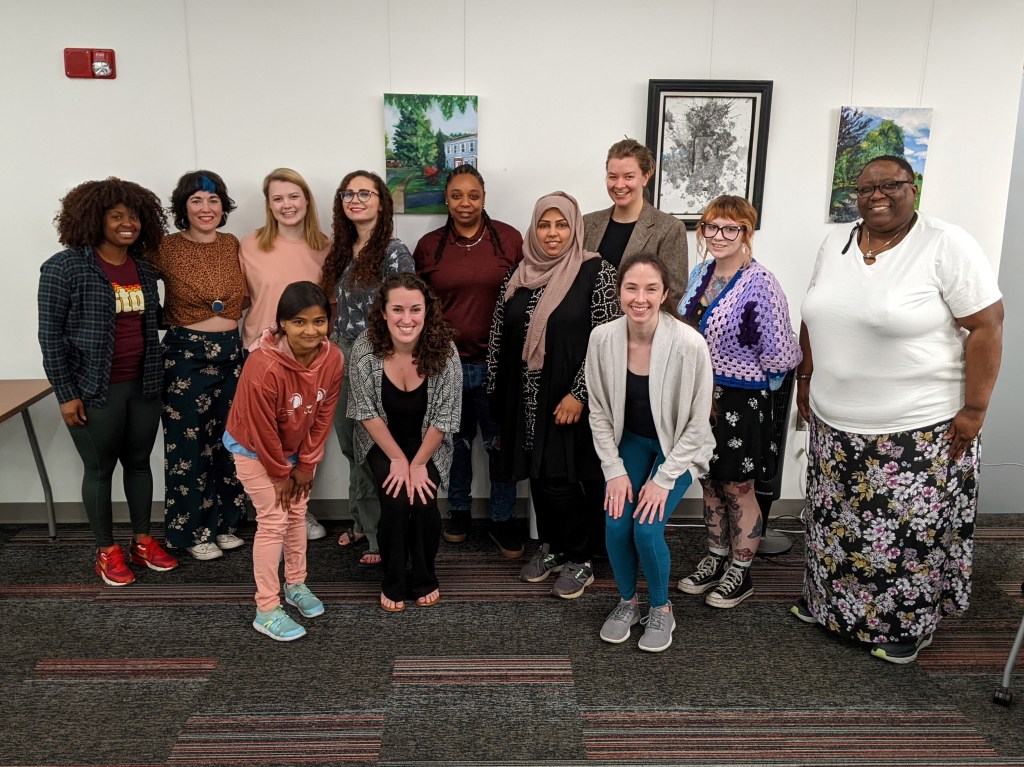
University Writing Center Staff 2022-23
Now, as the dogwood and redbud trees start to light up with blossoms, and the season turns toward the closing of the academic year, it’s always a time at the University Writing Center of wrapping up and reflecting. We’re having our last consultations, finishing our own projects, and talking of plans for the summer. I’ve been watching these cycles as director of the University Writing Center for twelve years now and this time of year once again brings with it a mixture of gratitude, satisfaction, and a touch of weary wistfulness. This year will be the last time these cycles at the University Writing Center will include me as I will be stepping down as director after July (more on that later). Still, the cycles go on and it is indeed time for wrapping up and reflecting.
Our Ongoing Work in the Writing Center
For all the differences in personality among various University Writing Center staffs from year to year, what is more important is the consistency. What did not change this year was that the consultants in the University Writing Center engaged in the most interdisciplinary, wide-ranging teaching on campus, working with writers from every grade level, every college and from more than 50 different majors.
Whether working with first-year students or doctoral student writers, our writing consultants helped people at every possible stage of their writing processes – from the brainstorming at the start to the polishing at the end. Our consultants are exceptional teachers who never lose sight of the fact that they are working with individual writers, not just responding to the words on a page. Through their work, consultants help writers feel more confident, not just for the moment, but in navigating unfamiliar writing situations in the future. Such work requires that our consultants be good listeners and resourceful teachers. Working collaboratively, patiently, and focusing on learning, not grading, takes time and energy, but such approaches made significant differences in the lives of thousands of UofL writers this year. From our perspective, this individualized, personal teaching is the best way learning happens and it all depends on the talent and commitment of our consultants. I’m so proud of the work they do, every day and every year.
Collaborative, reciprocal learning also requires the contributions and commitments of writers and we are also grateful for the trust placed in us by the writers who bring their work to the University Writing Center. We are always learning from them as they learn from us. I also thank all the faculty and staff who supported our work by recommending us to their students.
This is my last semester as director and I will be writing more about that on this blog next week week. Today, however, I want to focus on this year’s amazing staff and what they’ve accomplished.
Transitions at the University Writing Center
Annmarie Steffes
The most important transition at the University Writing Center this year was the arrival of Dr. Annmarie Steffes to the position of Associate Director. In this full-time position she provides the intellectual core and ethical heart of our work. Annmarie came here from a faculty position at the University of Saint Francis in Fort Wayne where she had developed a writing center and made huge contributions to our daily work and long-term planning as soon as she arrived. Annmarie brings to the position energy and innovative ideas that will help move the University Writing Center forward in vital and exciting ways. For example, just since starting her position in September, she has developed a series of workshops for faculty about teaching writing and has many more ideas ahead for how to improve our work as a center of writing on campus.
Tim Johnson
Dr. Tim Johnson, associate professor of English, will become director starting in July. Tim has exceptional insights into approaches for teaching writing across disciplines and in professions. He’s an exceptional teacher and and insightful researcher. He’s friendly and warm and will help energize and inspire both staff and writers in the years to come.
I am excited to see what innovations and new strategies Annmarie and Tim will bring to the University Writing Center in the future. Writing support and teaching at UofL is in excellent hands.
The Best Writing Center Staff Around
It is also essential to thank the fantastic administrative staff who carried us through this year with calm creativity and good humor. In addition to Annmarie, Maddy Decker, handled the front desk and office managing responsibilities flawlessly and was supported in this work by our undergraduate student workers Katelin Wilkinson and Tera Hathcock. Maddy also coordinated our social media, including this blog, with imagination and wit.
The assistant directors were also indispensable this year. Liz Soule, as Assistant Director for the Writing Center, helped both with mentoring new consultants, but also researched and held workshops to respond to the many questions we received about AI in writing, such as ChatGPT. And Kendyl Harmeling, the Assistant Director for Graduate Student Writing, both facilitated the Faculty and Graduate Student Writing Group and engaged in outreach at the Health Sciences Campus.
All of these people make the Writing Center work, day in and day out, and make it a positive, inclusive, and productive place for the UofL community.
Writing at the Center – Community Writing, Workshops, Writing Groups, and More
Community Writing and the Cotter Cup: Our commitment to writing is not limited to the UofL Campus. Once again we worked closely this year with Western Branch of the Louisville Free Public Library (LFPL). This participatory and collaborative partnership, under the coordination of Assistant Director Liz Soule, is an important part of how we understand writing as transcending communities and boundaries. You can find out more about these community writing projects, including how to get involved with them, on our website. We worked with Western Branch to provide workshops and mentoring. But our primary project for the year was the third annual Cotter Cup K-12 poetry contest. This is the third year we have partnered with restoring the 100-year old tradition of this contest. University Writing Center volunteers met at the Western Branch Library with K-12 writers to brainstorm, draft and revise their poems for the contest. We worked with 30 student writers and the contest winners will be announced later this spring. We’re grateful to the contributions of our volunteers: Liz Soule, Jessica Gottbrath, Clay Arvin, Cassidy Witt, and Dylan Williams.
Writing Groups: We continued our commitment to provide UofL writer with safe, supportive communities where they can write and talk about writing. We continued to facilitate our LGBTQ+, Faculty and Graduate Student, and Creative Writing writing groups. We have always believed that writing, and the confidence to explore new ideas in writing, is a social activity as much as a solitary one. Through our writing groups we want people to be able to gather and learn more about the craft of writing, but also build the confidence that comes from writing in a supportive community.
International Mother Language Day, 2023
Writing Events: Once again we hosted or took part in a range of writing-related events, including our Halloween Scary Stories Open Mic Night and a Valentine’s Day Open Mic, both hosted with the Miracle Monocle Literary Magazine. Annmarie also organized our annual celebration of International Mother Language Day. We’re always delighted to celebrate writing of all varieties and hope to continue with more such events in the future.
Dissertation Writing Retreat: In May we will hold our 12th annual Dissertation Writing Retreat. During the retreat, 14 doctoral writers, from 10 different disciplines, will spend a week writing, talking about dissertation writing strategies, and having daily consultations about their writing. This event is the capstone to each academic year and an important moment for us.
The University Writing Center is also an active, ongoing site of scholarship about the teaching of writing. Staff from the University Writing Center were engaged in a number of scholarly and creative projects during the past year in rhetoric and composition, literature, and creative writing.
Annmarie Steffes, Associate Director, presented ““Instructor Autonomy: Exploring the Role of OER in Composition Classrooms” at the Conference on College Composition and Communication.
Liz Soule, Assistant Director, will be the Assistant Director of Writing in the College of Business next year. She also held two workshops this spring on ChatGPT and writing and also completed her doctoral exams and will be moving on to writing her dissertation.
Kendyl Harmeling, Assistant Director for Graduate Student Writing, had a book review published in Rhetoric Society Quarterly (in press): “Writing Their Bodies: Restoring Rhetorical Relations at the Carlisle Indian School” By Sarah Klotz. She will be the Assistant Director for the Writing Center next year.
Christina Davidson, presented a digital humanities project at the UofL Graduate Student Regional Research Conference (GSRRC). Next year she will be an Assistant Director in the Composition Program.
Braydon Dungan, presented on “American Dreams, Desires, and Deception: Nationalistic Pride and Toxic Heteronormativity in Theodore Roosevelt’s ‘The Strenuous Life'” at the Community in Peril: From Individual Identities to Global Citizenship Conference in Brno, Czech Republic. He also visited Longbranch Elementary School to exemplify how public educators can apply Writing Center techniques to elementary composition curriculum and pedagogy. And he self-published a book of poetry titled Songs for the Public from a Poet Who Can’t Sing.
Katie Fritsche, presented at two conferences, on “Princess Mononoke: Animated Solutions for the Global Climate Crisis”, at The 16th Annual Graduate Student Conference, University of Ottawa, and on “Colliding Forms in Fitzgerald’s The Great Gatsby and Collin’s The Hunger Games” at The Louisville Conference on Literature & Culture. She also published an article in the St. John’s University Humanities Review titled, “A Freudian Interpretation of Familial Dreams in the Demon Slayer Anime.”
Mahde Hassan served as a Scholastic Awards Juror at SUNY Oneonta for Leatherstocking Writing Project, which is writing contest for secondary students. He also worked as a volunteer with facilitating the Louisville Conference on Literature and Culture
Wendell Hixson chaired a panel at the Louisville Conference on Literature and Culture.
Andrew Messer will be the Assistant Director Creative Writing in the English Department next year.
Elizabeth Pope will have the poem “Coal Camp” published in North Dakota Quarterly. She was also awarded The Annette Allen Poetry Prize sponsored by the UofL Humanities Department and read her work at the Louisville Conference on Literature and Culture.
Charlie Ward, presented “Exploring Gender in Tommy Orange’s There There” at the Louisville Conference on Literature and Culture and “Black Identity and Performance in ‘Sonny’s Blues'” at the Coast-to-Coast 2023 Conference. They also have two poems accepted for publication, “nightmare.” in Printed Zine and “fire” in Louisville Zine.
Yuan Zhao presented at the 2022 International Conference on Romanticism and the16th Graduate Student Regional Research Conference (GSRRC) at University of Louisville. Yuan also completed his MA Culminating Project titled, “Formulaic Writing and Technology in TOEFL: Algorithm in e-rater and White Supremacist Desire.” Yuan will be joining the UofL Rhetoric and Composition PhD program next year.
On behalf of all the University Writing Center staff, thank you again for another fulfilling and exceptional year. We hope to see you back this summer or in the fall.











 University of Louisville Writing Center