
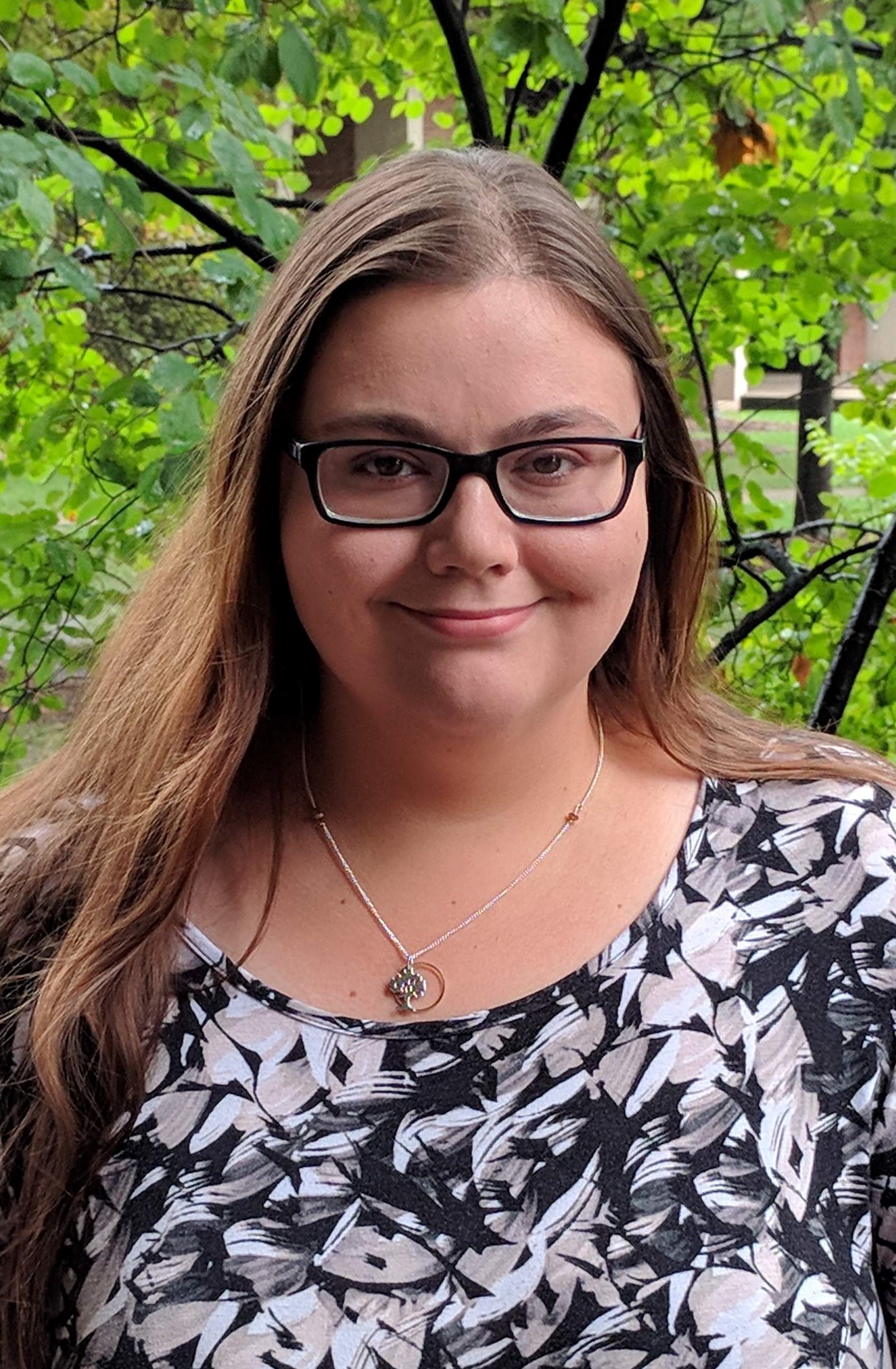
Liz Soule, Assistant Director
Author and educator Joseph S. Cotter (1861-1949) made an untold number of contributions to Louisville during his lifetime. He fought explicitly for equity in education in a time where the educational resources available to students of color were both separate and unequal. In 1913, Cotter partnered with Louisville Free Public Library’s Western Branch—a Carnegie library that was both run by and served black residents—in order to establish the Cotter Cup, a storytelling contest that encouraged Library patrons to explore literacy and express themselves.
At the University Writing Center, we’re proud to say that we have played a role in not only bringing attention to Cotter’s contributions, but in revitalizing his efforts so that a new generation of students might enjoy similar experiences. In 2021, we worked with the Western Branch to re-establish the Cotter Cup as a poetry contest for local K-12 students. As part of the program, University Writing Center volunteers worked with these young poets as they crafted their poems, which were then submitted for judging. We had so much fun that we did it all over again in 2022.
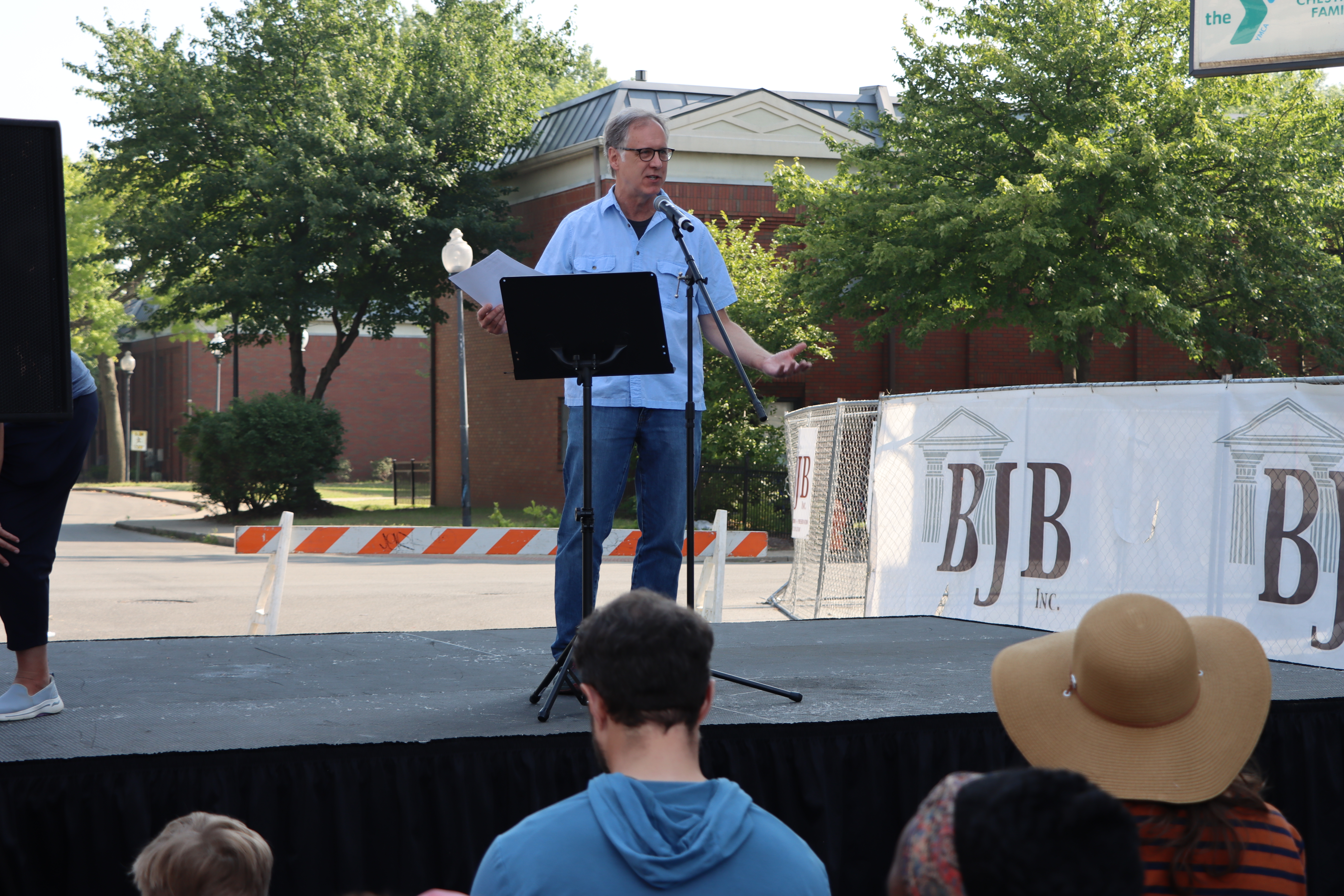
In 2023, the Western Branch held its 3rd annual Cotter Cup. We were there again, this time present in-person to work with Louisville’s young writers. 20 participants, all K-12 students local to Louisville, took part in the contest. This year’s winners are:
Elementary School
1st – Luka Sulkowski
2nd – Gibson Gurley
3rd – Lilly Shetler
Middle School
1st – Elina Sulkowski
2nd – Sufyan White
3rd – Glory Miller
High School
1st – Aiden Vilo
2nd – Jayla Carver
3rd – Audrey Scott

In addition to celebrating all of our amazing participants, I also want to offer a special thanks to the University Writing Center volunteers that worked with these young writers: Clay Arvin, Jessica Gottbrath, Dylan Williams, and Cassidy Witt. Thank you so much for all of the creativity and enthusiasm you shared. This was the first year that we were able to recruit both graduate and undergraduate volunteers, and we’re so grateful that we did. The range of experiences and knowledge that you all brought to the tables of the Western Branch truly helped shape the experience of these writers.
Having had the pleasure of working with several of these winning participants, I can attest to how phenomenal their works were. But truthfully, I think the benefit of the Cotter Cup extends far beyond titles and prizes. This year, more than ever, we were able to engage Louisville’s youngest poets in authentic conversations around literacy and self-expression. We were able to look one another in the eye and share affirming smiles and nods. We were able to pass papers back and forth, and remark upon annotations and scribbles. We were able to create real connections, and this means something! We also were able to achieve a long-standing goal of the Cotter Cup: bringing more individuals to the Western Branch. We hope this introduction to this beautiful, historic space, this beacon of equity and racial advancement, results in them coming back again and again.
This is my last year as an assistant director in the University Writing Center. I’ve had the pleasure of helping run the Cotter Cup for two consecutive years; this experience has helped shape me as a writing center professional. Each and every interaction I’ve had within the walls of the Western Branch has left me feeling increasingly more in awe of the coming generation’s knowledge and talents. I also can’t speak highly enough of the staff at Western Branch, in particular Natalie Woods, who has taught me so much about not just the value of community literacy, but the beautifully messy practice of it.
Although I won’t be a part of leading the Cotter Cup in 2023, I have no doubt that the contest will be in good hands with both the fabulous Western Branch staff, along with my co-worker, Kendyl Harmeling. Kendyl will be stepping into my role next year, and is excited to be involved with the Cotter Cup. She has a long-standing interest in community writing, and a personal love of poetry which she hopes to share with participants and volunteers alike. One impact she hopes the Cotter Cup will have upon participants is that they will come to realize that “what [they] feel and how [they] see the world, and the sharing of [their] thoughts and experiences, are valued and supported and praised.” Suffice it to say, I look forward to helping her spread this message as one of the Cotter Cup volunteers in 2024.
 University of Louisville Writing Center